
One in ten gamblers is spending an average of £745 a month on betting, according to new data from Nationwide Building Society, which has warned of rising gambling-related harm as betting activity increases across the UK.
According to the building society, the top 10% of gamblers now spend an average of £745 per month on casino gambling. Overall, gambling spending among its consumers increased 9% year-on-year, while the number of gambling transactions increased by 7%, which suggests a growing trend.
The warning comes ahead of a busy sporting calendar in 2026, including the FIFA Men's World Cup, the Six Nations Championship and the ICC Men's T20 World Cup, all of which are expected to attract heavy betting volume.
Gamblers on Track to Bet Even More
A survey of 2,000 gamblers found that approximately 68% expect to place more bets in 2026, largely driven by major sports competitions. Football is expected to drive most of the increase, with:
- 59% plan to bet during the FIFA World Cup 2026 in North America
- 34% to bet on the UEFA Champions League
- 30% to wager on games during the Champions League final
- 20% to place stakes on the Royal Ascot
The research also revealed that gambling motivations vary widely. Over half, or 53%, admit they gamble for entertainment, while 46% say they do it for the thrill of winning. However, 17% admitted they gamble in hopes of making money to pay essential bills, raising concerns among support organisations.
UK Targets Unlicensed Gambling Sponsors
The rise in betting activity has also drawn attention from lawmakers who are concerned about the broader gambling market. The UK government has recently signalled a tougher stance on illegal operators, as it revealed plans to crack down on unregulated betting companies sponsoring British sports teams.
In a statement published on February 23, the Department for Culture, Media and Sport said it will launch a consultation this spring on banning gambling companies without a UK licence from entering sponsorship agreements with domestic sports clubs.
The proposal is expected to focus particularly on football, including teams in the English Premier League, where several clubs have already partnered with offshore gaming brands. Culture Secretary Lisa Nandy described the move as a measure to prevent fans from being directed towards betting platforms that operate outside British regulation.
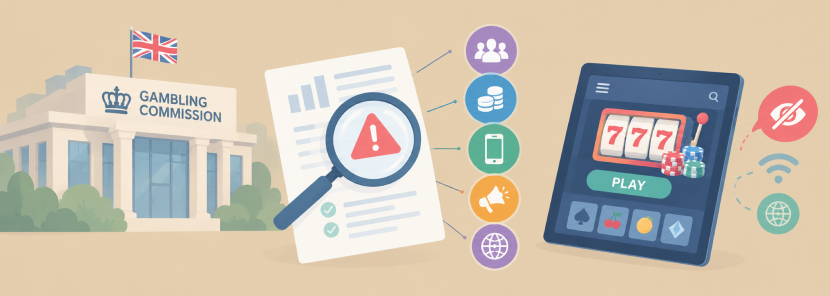
While clubs are not currently breaking the law by partnering with such companies, ministers argue that shirt and sleeve sponsorships can still drive UK consumers to unlicensed sites that lack safeguards such as financial vulnerability checks and responsible advertising standards required by the UK Gambling Commission.
The consultation forms part of a wider government effort to tackle the illegal gambling market and improve consumer protection, including a new cross-industry taskforce aimed at blocking payments, advertising and online promotion for unlicensed operators.
Increasing Calls for Help
In the meantime, the charity GamCare has recently reported that there were 105,765 contacts to its National Gambling Helpline in 2025 from people seeking help. In January 2026 alone, the helpline made 996 referrals to treatment and peer support services, a 48% increase from the 674 referrals recorded in January 2025.
Experts say gambling problems often remain hidden until they cause serious financial or emotional damage.
“Gambling harm is often a very hidden issue, but the problems it can cause people can be significant. Financial difficulties, mental health struggles and relationship challenges are all common impacts,” said Raminta Diliso, Senior Partnerships Manager at GamCare.
Bank Tools Underused
To help customers manage their gambling habits, Nationwide introduced stronger controls in 2024, including self-set gambling blocks on accounts and specialised training for frontline staff. The organisation says more than 10,000 gambling blocks are applied each month.
However, awareness remains limited. The survey found 19% of gamblers were unaware that banks and building societies offer gambling blocks. Among those who knew about the feature, half had used it, and 56% said it prevented them from gambling further.
Nationwide’s gambling block includes a 72-hour cooling-off period, designed to prevent impulsive reactivation.
Kathryn Townsend, Nationwide’s Head of Customer Vulnerability, commented that the measure provides an extra layer of user protection.
“With a year of major sporting events ahead, we’re concerned that more people could find themselves gambling more than they can afford. No one should feel they have to face gambling harm alone; help is available without judgment,” shared Townsend.
Signs of Gambling Harm
Experts say spotting early warning signs can help prevent gambling problems from escalating. Common indicators include:
- Withdrawing socially or staying home to observe bets.
- Noticeable mood changes, including anxiety or agitation.
- Sleep problems related to financial stress.
- Missing money or frequent borrowing.
- Lying about spending or time spent gambling.
GamCare has also reminded that anyone worried about gambling can contact its National Gambling Helpline for confidential and professional support.