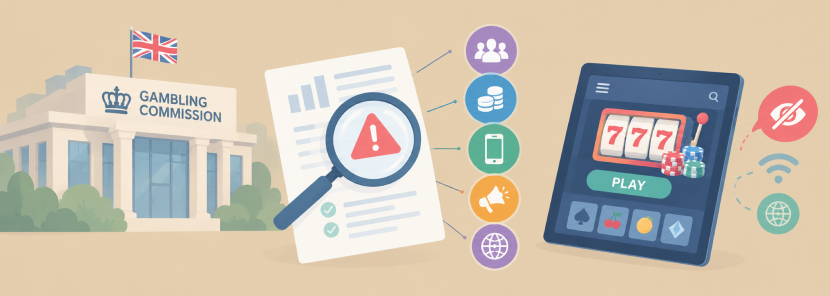

The UK government has recently revealed its intention to crack down on unregulated gambling operators that sponsor British sports teams. This move signals the country’s tougher stance on the constantly expanding illegal betting market, which is often linked to organised crime.
In a statement published on February 23, 2026, the Department for Culture, Media and Sport confirmed it will launch a consultation this spring on banning gambling companies without a UK licence from entering sponsorship agreements with local sports clubs. Most commonly, these casino brands team up with clubs from the English Premier League.
Protecting the Fans from Unregulated Operators
Speaking on the topic, Culture Secretary Lisa Nandy said the measures are intended to ensure fans are not drawn towards betting platforms that operate outside British regulatory protection.
“When placing a bet on the big match, fans deserve to know the sites they’re using are properly regulated, with the right protections in place,” she said.
In her words, it was not right for unregulated operators to rely on high-profile football clubs to increase their popularity among UK players.
Under current rules, gambling companies that offer services to consumers in Great Britain must hold a licence from the UK Gambling Commission. They must also comply with strict requirements, including financial vulnerability checks, responsible advertising standards and fair contractual terms.
Unlicensed Operators Lack Player Protection Tools
However, operators without a licence in the UK are not bound by these safeguards and, according to ministers, often lack robust data protection measures, leaving customers exposed to fraud and identity theft.
It must be explained that clubs are not acting unlawfully if the sponsored operator’s website is not licensed to operate in the UK. But ministers have argued that brand visibility through shirt or sleeve sponsorship can still drive British consumers towards those sites. Even where geoblocking is in place, the use of the so-called VPNs can allow users to bypass restrictions.
Focus on the English Premier League
The government’s announcement places particular emphasis on the Premier League, which currently is one of the most-watched sports competitions across the globe. Several teams from the league clubs currently have sponsorship arrangements with operators that are not licensed in the UK.
Last year, the Premier League voluntarily agreed to remove all gambling sponsorship from the front of shirts by the end of the 2025-26 season. However, sleeve sponsorships and other branding opportunities remain available. This allows unlicensed firms to keep their presence in English football.
Still, the scope of the proposed ban will be determined through a consultation process. Its initial focus may be on football, but it remains unclear whether restrictions could extend to other sports, such as boxing, horse racing or individual athlete endorsements.
Initial Reaction from the Industry
Initial responses from parts of the industry suggest cautious support for the move. The Betting and Gaming Council, which represents licensed operators, also backed the proposal. BGC argues that illegal firms should not benefit from association with major sports brands, especially with these popular Premier League teams.
Industry figures have also suggested that the ban could help reinforce the distinction between licensed and unlicensed operators in consumers’ minds. Richard Bradley, a partner at law firm Poppleston Allen, noted that unlicensed sites may block UK users.
Still, there are “easy bypasses such as a VPN” that undermine the effectiveness of those measures and divert revenue from regulated British businesses. He added that restricting sponsorship to licensed firms would assure that advertised gambling products are subject to the UK’s strict social responsibility protections and measures.
In the meantime, Adam Rivers, Managing Director at consulting agency Alvarez & Marsal, suggested the overall impact on the illicit market may be modest compared with other enforcement initiatives. However, he said the move would likely be welcomed by the regulated sector, particularly at a time when it faces higher taxation and tighter advertising rules.
From April, the Remote Gaming Duty is set to rise significantly, placing additional pressure on licensed operators’ margins. Some companies have already scaled back operations or implemented cost-cutting measures in anticipation.
Wider Crackdown on Illegal Gambling
The consultation forms part of a broader government effort to combat the black gambling market. For instance, this January, Gambling Minister Baroness Twycross launched a new Illegal Gambling Taskforce bringing together social media platforms, payment providers and law enforcement agencies.
Major companies, including Google, Mastercard, TikTok and Visa, are also partaking in the cross-industry initiative. The taskforce will focus on preventing illegal operators from advertising on social media, blocking payments to unlicensed sites and improving coordination between regulators and enforcement bodies.
In addition, Baroness Twycross said the government “will not hesitate to act where we see people being put at risk,” stressing that unregulated gambling can exploit vulnerable individuals and leave consumers without meaningful protections.
A Complex Regulatory Scene
The proposed sponsorship ban adds to an already increasingly complex compliance environment for sports clubs and their commercial partners. Recent restrictions in other regulated sectors, from crypto promotions to less healthy food advertising, have already required rights holders to reassess sponsorship agreements.
For clubs, the consultation introduces fresh uncertainty over commercial revenue streams in the future. At the same time, for licensed operators, it may be an opportunity to expand sponsorship portfolios previously occupied by larger and more popular offshore brands.
The government’s actions suggest a firm stance against illegal gambling, and a road to improved scrutiny of sponsorship collaborations, as well as a renewed effort to protect consumers from unregulated betting markets.