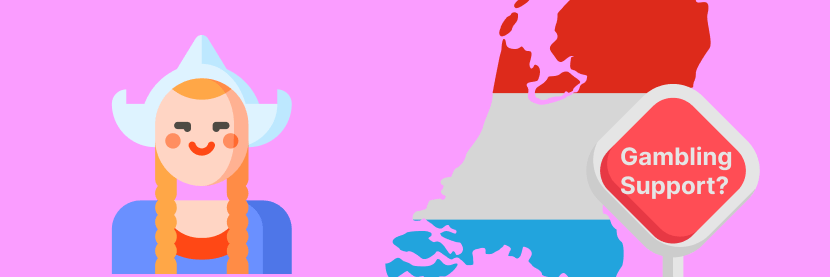

The topic of discussing gambling problems remains a challenge in the Netherlands. According to the Dutch Gambling Authority (Kansspelautoriteit), a lack of awareness about available support still prevents people from seeking help in time.
New research commissioned by the regulator, which recently announced organisational changes, shows that stigma, misinformation, and other social barriers are keeping gambling addiction largely out of public conversation, despite gambling being a widespread activity.
The study was conducted on 1,000 residents in collaboration with the platform OpenOverGokken and discovered that more than half of the population (56%) see the discussion of gambling and gambling addiction as a taboo.
This hesitation persists even though nearly one in two Dutch people, or around 48%, gamble at least once a month. This is an indication that there’s a sharp contrast between the popularity of gambling and the willingness to talk about its risks.
Gambling Risks Are Often Underestimated
Most Dutch gamblers participate in lotteries and scratch cards, with lotteries, and the State Lottery remains one of the most popular forms of gambling. Gambling in online casinos has also become increasingly popular since the market was regulated, with nearly 6% of adults placing bets on licensed online gambling platforms.
On average, Dutch residents spend €298 per year on gambling. While gambling remains a recreational activity for the majority, the gambling watchdog has warned that a significant group of players experiences substantial losses.
Addiction numbers show that in the broader gambling population, there are players who face increased risks and for whom early detection and timely access to support are essential to preventing severe financial, mental, and social consequences.
Unclear Pathways to Help
One of the most concerning findings was how unclear the support opportunities are for many people. More than half of respondents, who accounted for 53%, say they do not know where to go for help if they or someone close to them were to develop a gambling addiction. This lack of clarity significantly raises the threshold for seeking assistance.
In addition, nearly three in ten people, or 29%, say they would not dare to ask for help themselves if they became addicted to gambling. According to the Ksa, this reluctance is closely linked to how gambling addiction is perceived in society.
Additionally, around three-quarters of respondents, or 75%, believe that gambling problems are mainly the result of making poor or irresponsible decisions, reinforcing feelings of shame and self-blame.
Social Barriers Delay Intervention
The stigma around gambling addiction affects those experiencing problems themselves, while also making it harder for friends, family members, and colleagues to intervene. More than a third of Dutch residents, approximately 34%, find it difficult to confront someone about their gambling behaviour.
The research shows a clear gender difference in this respect. Among men, 41% say they find it difficult to start such a conversation, compared with 27% of women. The KSA warns that this hesitation can delay crucial interventions, allowing gambling problems to escalate before help is offered.
Normalising the Conversation on Gambling Addiction
Michel Groothuizen, Chair of the Board of the Ksa, emphasised that gambling addiction should not be seen as a personal failure.
“Gambling addiction is a complex problem in which shame and lack of knowledge prevent people from seeking help in time. That’s why it is essential to normalise the conversation and clearly show where reliable support can be found,” explained Groothuizen
To lower barriers, the Ksa supports initiatives such as OpenOverGokken, a platform designed to provide accessible information about gambling risks and available support services. By improving visibility and awareness, the regulator hopes people will recognise problematic behaviour earlier and seek help before serious harm occurs.
Fines for Failing to Protect Players
Alongside prevention and awareness, the KSA continues to oversee the regulated market and enforce strict rules for operators targeting the Dutch market. Just last week, the regulator imposed significant fines on two operators for failing to meet legal and player protection standards.
Tulipa Ent Limited, which operates under the ComeOn brand in the Netherlands, was fined €750,000 for insufficiently complying with its duty of care. The KSA found that between December 2023 and September 2024, the operator failed to adequately protect young adult players from excessive gambling behaviour and high losses
Investigations into player files revealed that warning signs were often missed and that interventions came too late or were ineffective.
In a separate case, KSA imposed a €4.2 million fine on Starscream Limited for offering illegal online gambling to Dutch players via several casino websites without the required license for the Dutch market. The regulator found that players could freely create accounts, deposit money, and gamble without technical restrictions, age verification, or adequate safeguards against addiction.
According to the KSA, illegal operators undermine the regulated market and expose players to higher risks, as they do not comply with strict Dutch standards designed to protect vulnerable groups.